



Words: NZ Performance Car, Industrial Tube Manufacturing
For decades, fabricators have been locked into an established material hierarchy: you either stick with mild steel, which is affordable, easy to source, and the backbone of thousands of grassroots race cars, or you step up to 4130 chromoly, which is long regarded as the undisputed heavyweight benchmark for high-performance motorsport builds.
For many years, the assumption has been simple: if you’re building a serious car and weight matters, chromoly is the material everything else gets measured against.
That reputation has been earned through decades of use in motorsport. It does, however, carry a significant cost premium and places greater demands on fabrication, welding, and sourcing than conventional steel alternatives.
While motorsport fabrication has remained largely centred around the same material choices, automotive steel technology has kept moving. Modern dual-phase steels are now widely used throughout the automotive industry, allowing engineers to reduce vehicle weight while maintaining the strength, crash performance, and durability required in critical structural and safety components.
Industrial Tube Manufacturing believed those same technologies could offer something new to motorsport fabrication.
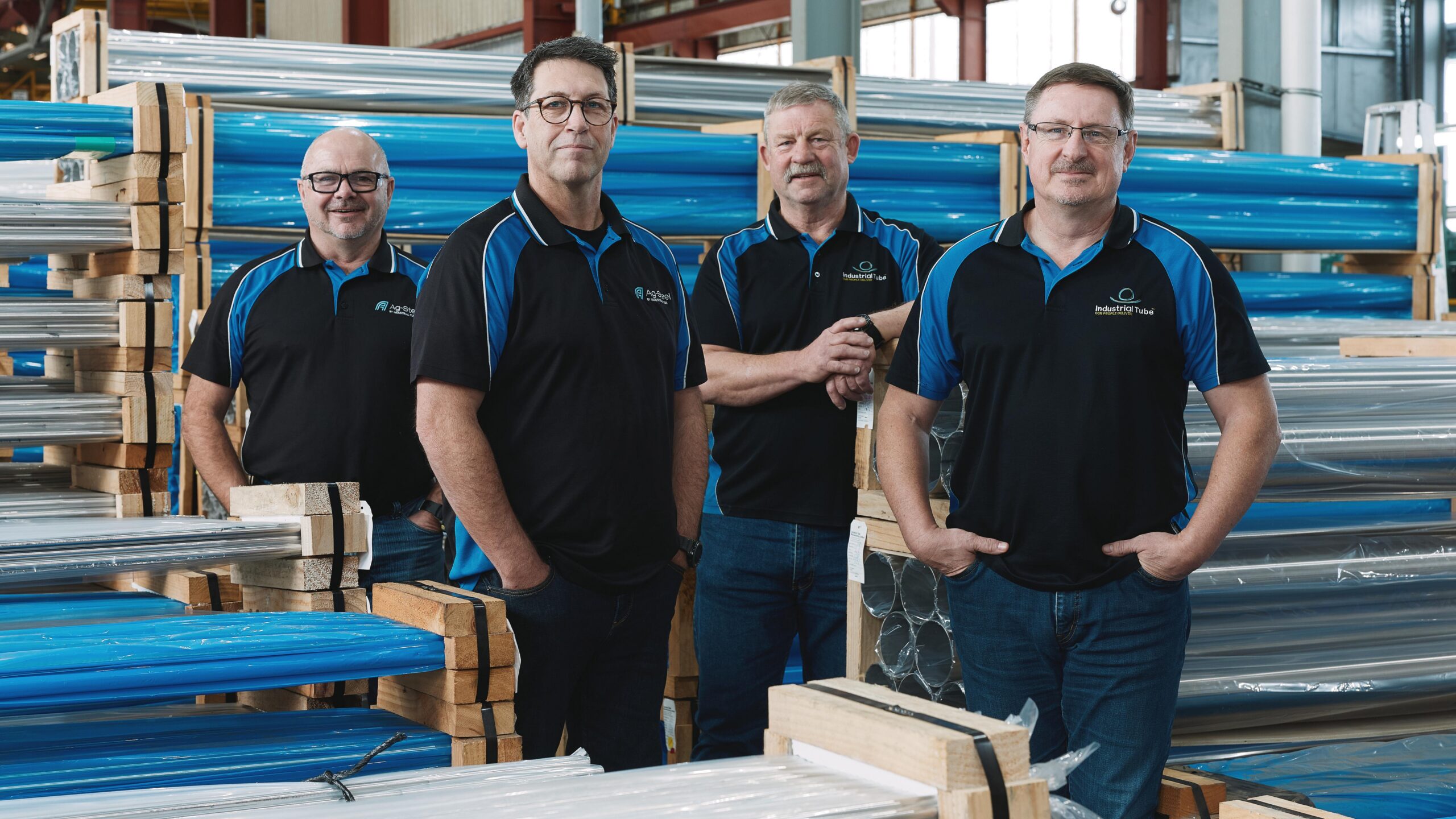
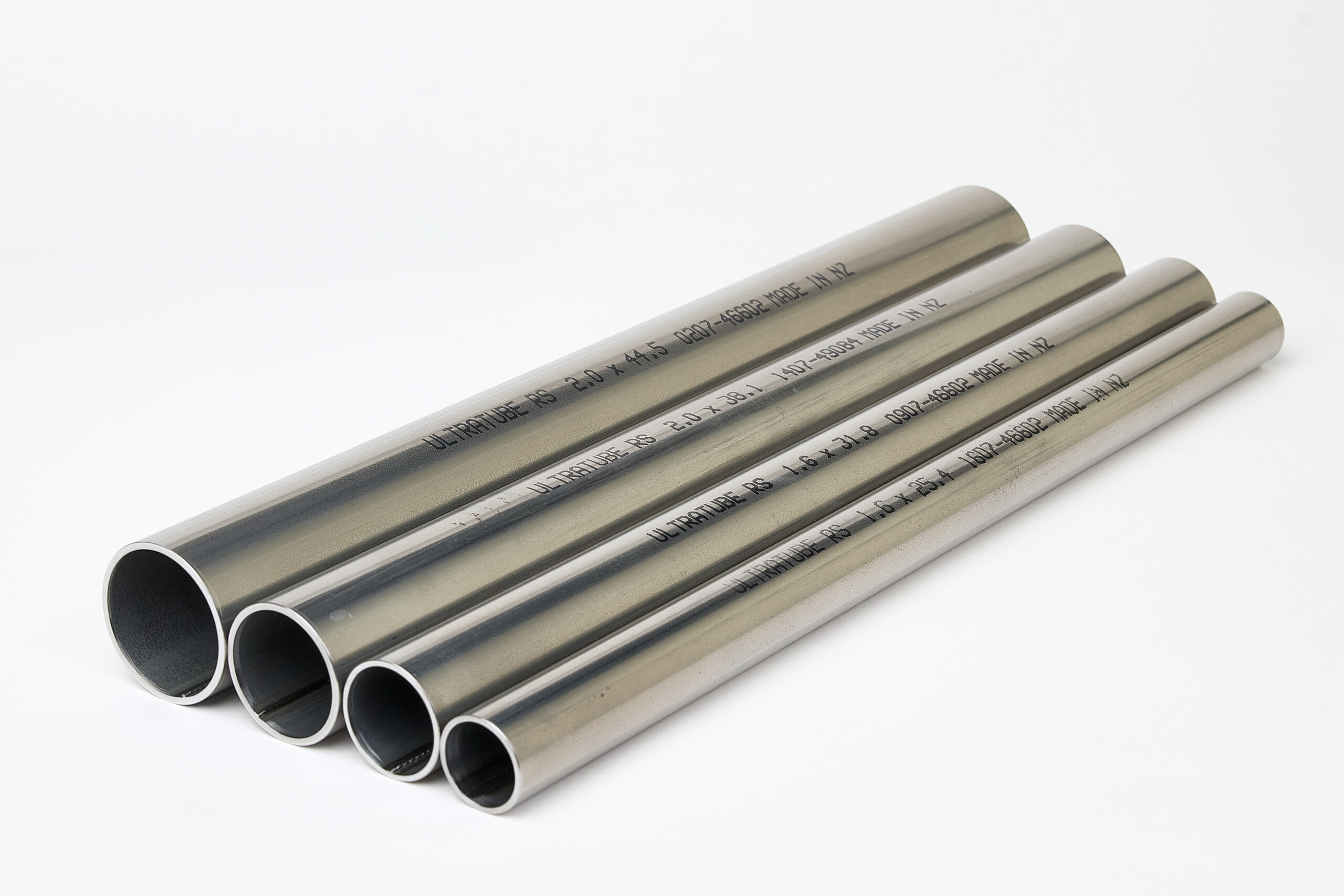
After more than 40 years of manufacturing precision steel tube in Hamilton, the company developed UltraTube RS — a high-strength dual-phase steel tube designed specifically for motorsport fabrication. The objective wasn’t to replace mild steel or imitate chromoly. It was to bring modern automotive steel technology into a space that has remained largely unchanged for decades.
Modern automotive steel meets motorsport
UltraTube RS is manufactured from dual-phase steel, a family of advanced high-strength steels widely used throughout the automotive industry.
Dual-phase steels can be found in crash structures, B-pillars, roof rails, side intrusion beams, and other critical safety components where strength alone isn’t enough. Engineers also need predictable deformation, energy absorption, and ductility during impact events.
That combination is achieved through a microstructure consisting of a soft ferrite matrix combined with islands of hard martensite. The result is a material that delivers high tensile strength while maintaining excellent ductility and progressive deformation characteristics.
“We kept hearing the same challenges around material availability, cost, and fabrication practicality,” says Werner Petrick, General Manager at Industrial Tube Manufacturing. “That led us to ask whether modern automotive steel technology could provide another pathway for motorsport builders.”
Built in New Zealand
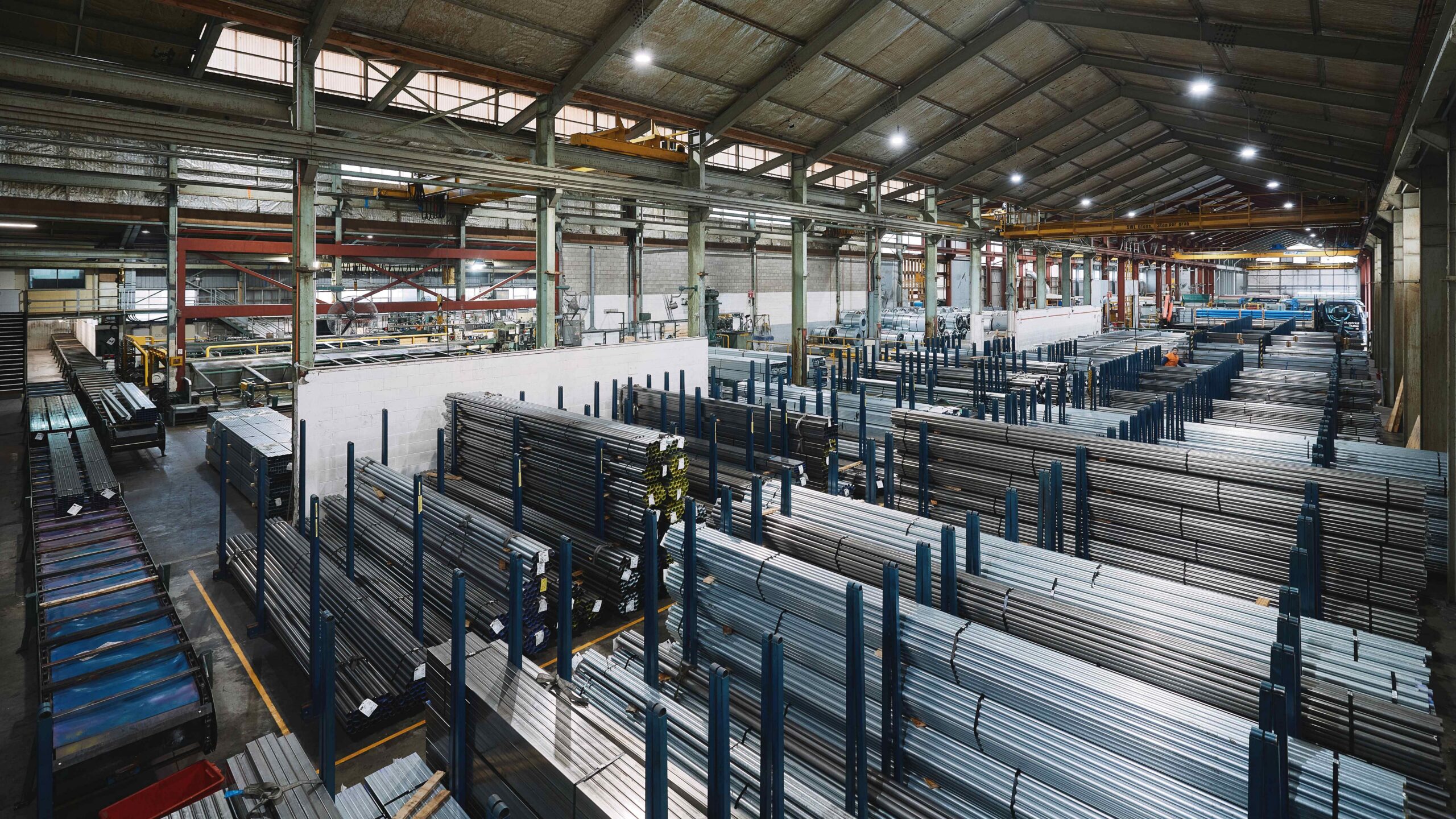
Unlike imported legacy products, UltraTube RS is manufactured in Hamilton using Industrial Tube Manufacturing’s existing precision tube production infrastructure — the same infrastructure that has supplied tube to the transport, engineering, infrastructure, and manufacturing industries for decades, while also supplying Motorsport NZ-approved cage tube to the local motorsport market for more than 15 years.
Manufacturing locally brings several advantages. Supply is more predictable, lead times are shorter, material traceability is maintained from base material through to finished tube, and pricing is less exposed to exchange-rate fluctuations and international freight disruptions.
“In motorsport, trust matters,” says Petrick. “People want to know where the material came from and how consistent it is. Being able to manufacture locally and maintain full control over the process is a major advantage.”
More than just strength
While headline strength figures often dominate material discussions, fabrication behaviour is equally important.
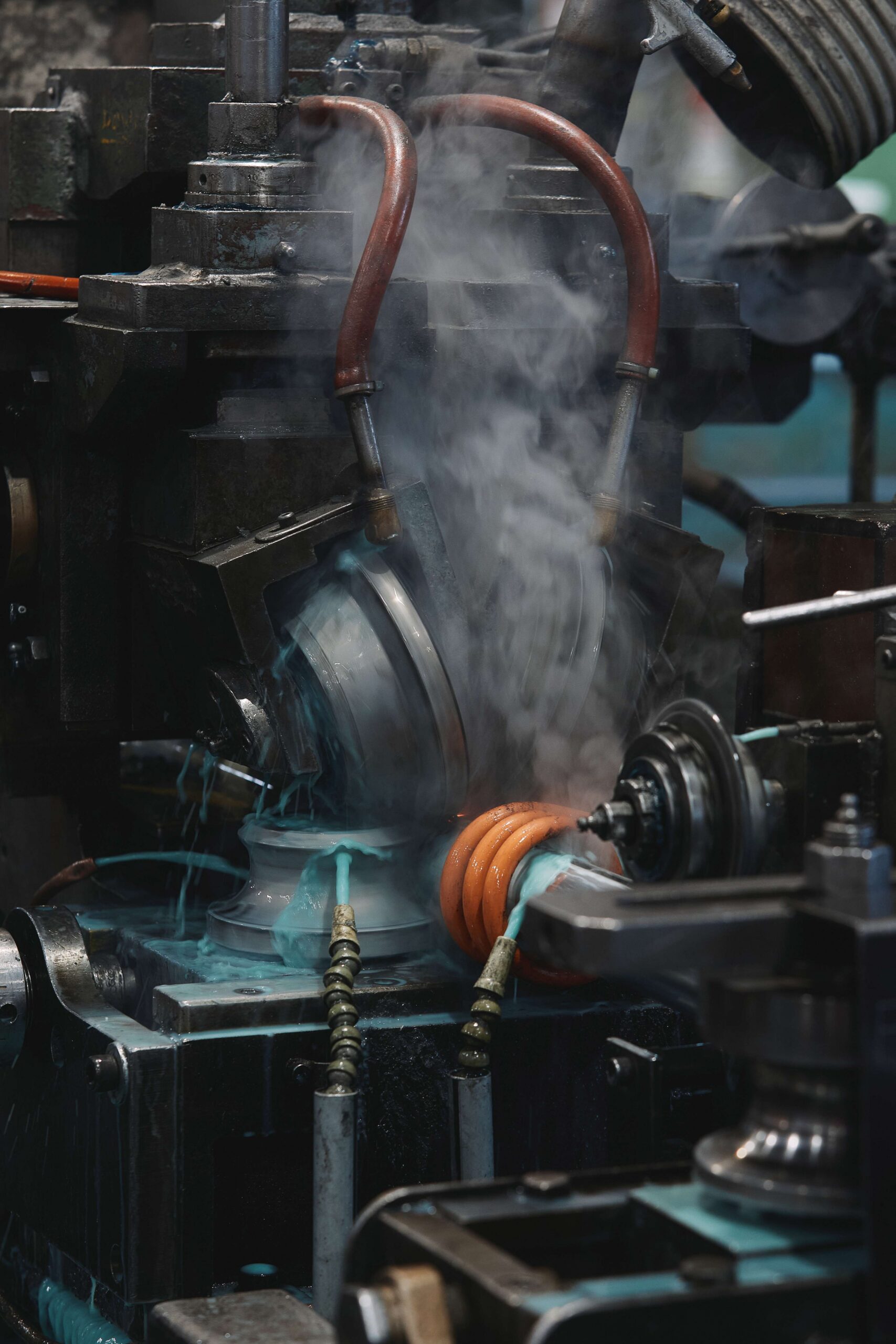
Chromoly remains a highly respected material, but it requires careful welding procedures and heat management to achieve optimal results. UltraTube RS was developed with a different philosophy — the focus was on delivering a tube that combines high strength with predictable behaviour during cutting, bending, welding, and forming.
Internal testing and independent laboratory work have demonstrated consistent performance through tensile, flattening, bending, and weld evaluations. Rather than chasing the highest possible tensile number, the goal was to create a material that behaves predictably both during fabrication and under load.
The result is a tube with yield strength exceeding 650MPa and tensile strength exceeding 800MPa, while retaining the ductility required for complex fabrication and energy absorption in safety-critical structures.
What fabricators are saying
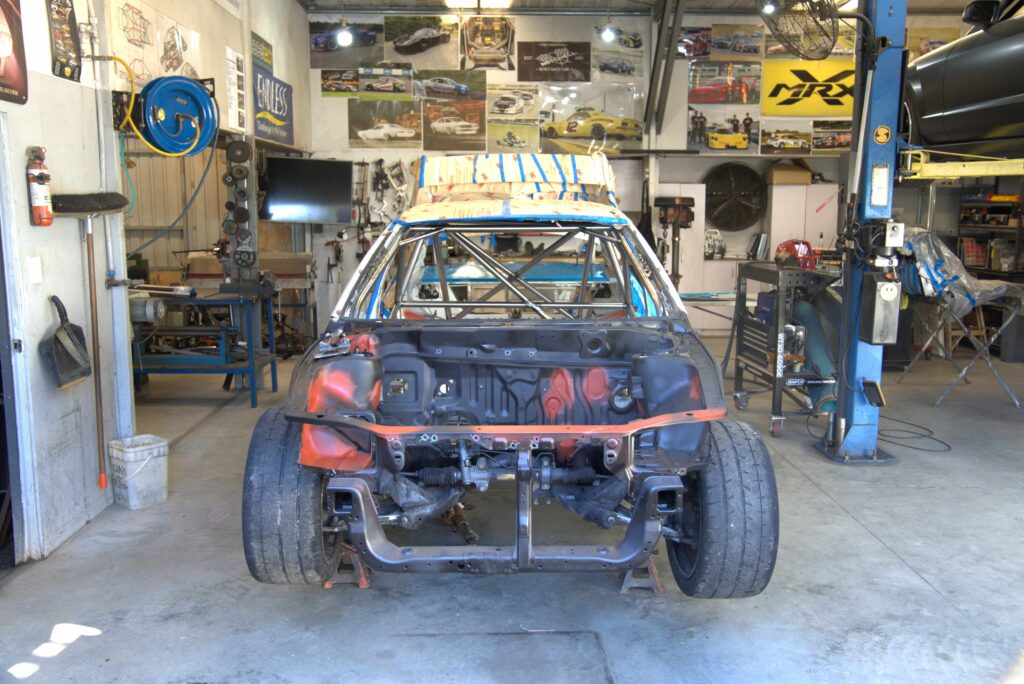
Among the early adopters is North Island fabricator Nick Mitchell of Mitchell Race Xtreme, who has spent decades building everything from basic roll cages through to complete race cars and chassis packages.
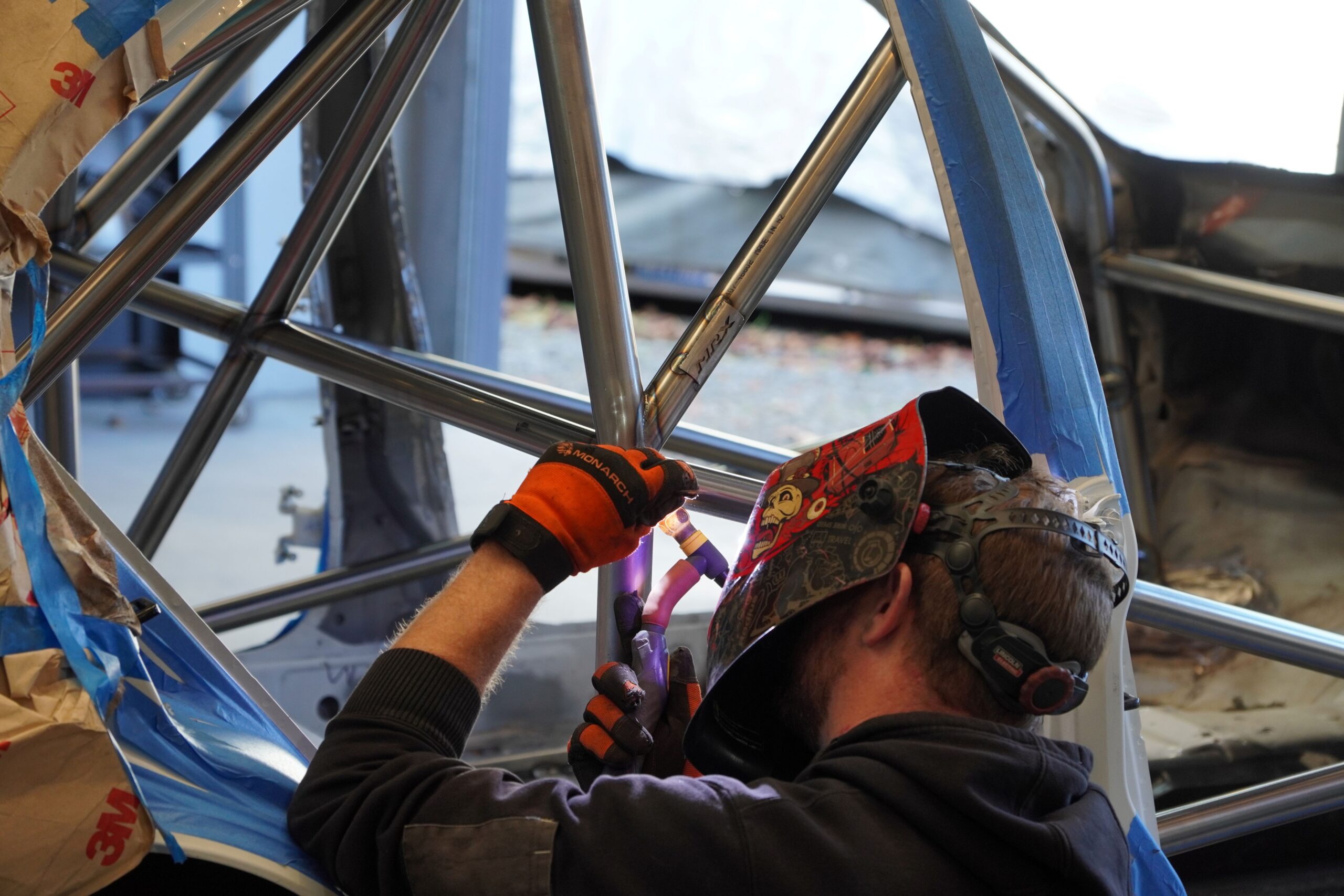
His first impression was straightforward. “It was clean straight out of the rack, which makes it nice to handle. The consistency is really good.” The welding characteristics quickly stood out. “It welds really nicely. Heat control is predictable, penetration is clean, and the finish comes up great.” Perhaps the strongest endorsement came when discussing future projects. “With UltraTube now available, I won’t be building any more moly cages unless someone specifically requests it.” Mitchell has since expanded beyond cage construction and is now using UltraTube RS for suspension arms and other fabricated components.
Technical validation
Dave McCahon, Motorsport NZ Technical Officer and owner of Racecraft Engineering, was involved throughout the evaluation process and provided input during the development and validation of UltraTube RS. “When I first looked at UltraTube RS, the concept wasn’t unfamiliar. I’d previously worked with Docol R8 and understood the advantages dual-phase steel tubing could offer in motorsport applications.”
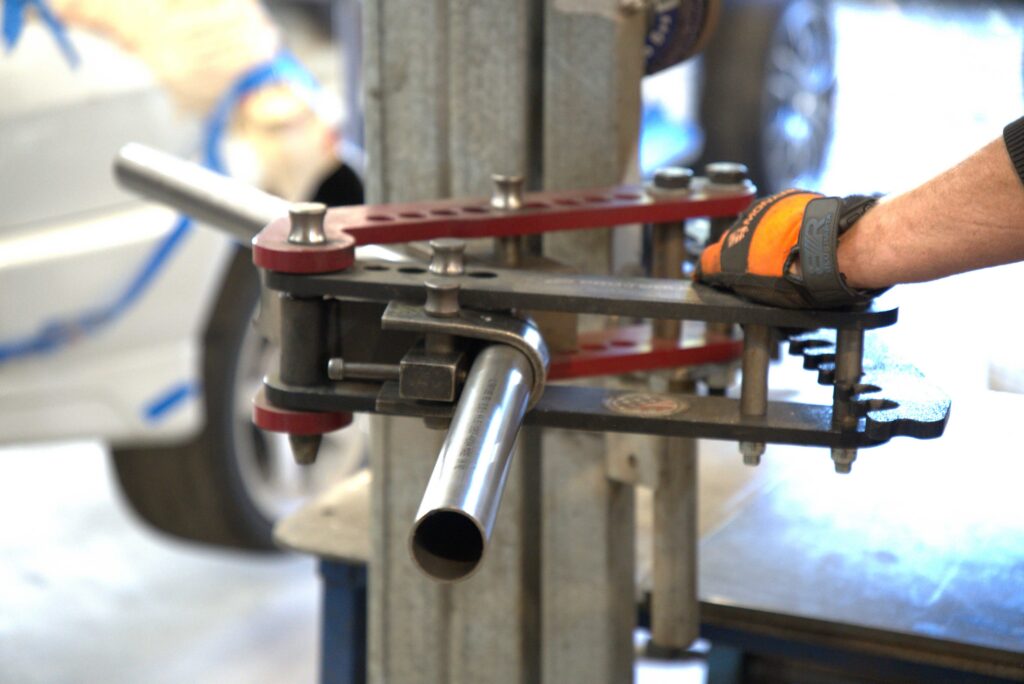
Having personally bent and supplied close to 10,000 roll cage kits since 1982, McCahon brings more than four decades of hands-on experience with the materials, fabrication techniques, and compliance requirements that underpin modern cage construction throughout New Zealand and Australia. Throughout the validation process he reviewed UltraTube RS from the perspective of both a fabricator and a technical official.
“It bends well, welds well, and behaves predictably throughout the fabrication process. Ultimately that’s what builders are looking for — repeatable results. From what I’ve seen, UltraTube RS has demonstrated that. Any material going into a cage structure needs to perform consistently in the real world. That’s the standard it gets judged against.”
Approval and acceptance
Gaining recognition for a new material in motorsport requires more than a good product. Sanctioning bodies, certifiers, and competitors need evidence — and Industrial Tube Manufacturing came prepared.
Motorsport NZ recognises UltraTube RS under the same framework used for established high-strength tubing materials such as 4130 Cr-Mo and BS T45. The material has also received IHRA technical approval for all classes outside Group 1 applications, with further approvals across New Zealand and Australia continuing to progress.
For Industrial Tube Manufacturing, gaining those approvals was an important milestone. Industry acceptance, though, ultimately comes from the people who design, build, inspect, and race the cars.
Terry Bowden, one of New Zealand drag racing’s most respected figures and an IHRA technical inspector, has been closely involved in the evaluation and approval process.
“One of the challenges we’ve always had in New Zealand is material availability. Many of the international rulebooks specify certain materials and dimensions, but that doesn’t necessarily mean those products are readily available locally. Builders have often had limited options, particularly when they’re trying to source material that complies with overseas specifications while still being practical and cost-effective to obtain.”
“What interested me about UltraTube RS wasn’t simply that it was a new material. It was that there was finally a locally manufactured product supported by proper testing, traceability, and technical documentation. That gave us something tangible to evaluate.”
Having UltraTube RS recognised under both Motorsport NZ and IHRA frameworks also has a practical benefit for multi-discipline competitors. Night Speed Drag Wars regularly attracts circuit cars, drift cars, and drag cars, each operating under different technical regulations. A material recognised across those environments simplifies compliance and gives builders greater confidence as their vehicles move between classes.
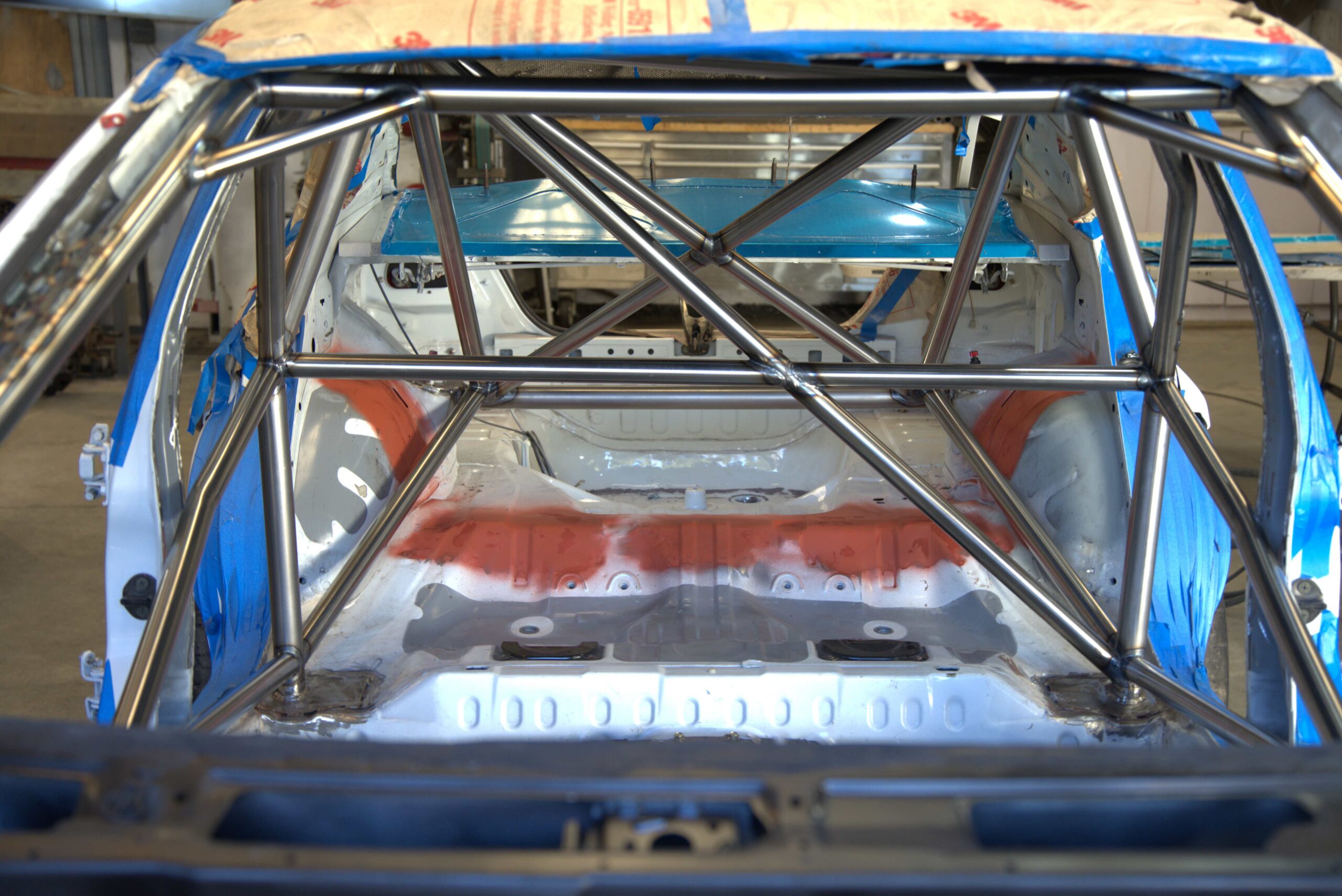
The right tool for the job
UltraTube RS is not intended to replace every material in every race car. Whether fabricators choose mild steel, chromoly, or UltraTube RS will always depend on the requirements of the build.
But for the first time, New Zealand motorsport has access to a locally produced high-strength steel tube backed by testing, technical validation, and growing acceptance across multiple codes. For an industry built on continual improvement, that’s a genuine addition to the fabrication toolbox. Whether you’re engineering a top-tier drift chassis or upgrading a club-level cage, the game has officially evolved.
To learn more about this breakthrough tech, head over to the Industrial Tube website for more info — www.ultratube.co.nz