



Words: NZ Performance Car Photos: HLWrap
In the New Zealand performance scene, we’re quick to drop thousands on a set of wheels or an aftermarket ECU, yet many of us overlook the two biggest threats to our builds: the brutal Southern Hemisphere sun and the abrasive reality of Kiwi roads.
Whether it’s a fresh import with immaculate factory paint or a project that’s just emerged from a multi-thousand-dollar respray, the ‘new car’ feel is a fleeting thing. Between the loose chipseal that acts like shrapnel on our backroads and the UV levels that bake interiors into a crisp, ‘wear and tear’ is an understatement. To get the lowdown on how to fight back, we looked into the science of Paint Protection Film (PPF) and Ceramic Window Tinting with the team at HLWrap.
The Invisible Shield: Breaking Down PPF
For the uninitiated, the term wrap usually conjures images of colour-change vinyl. But for those looking to preserve what they already have, Paint Protection Film (PPF) is the real hero. Unlike aesthetic vinyl, which is relatively thin, PPF is a heavy-duty, thermoplastic polyurethane membrane designed specifically for impact resistance.
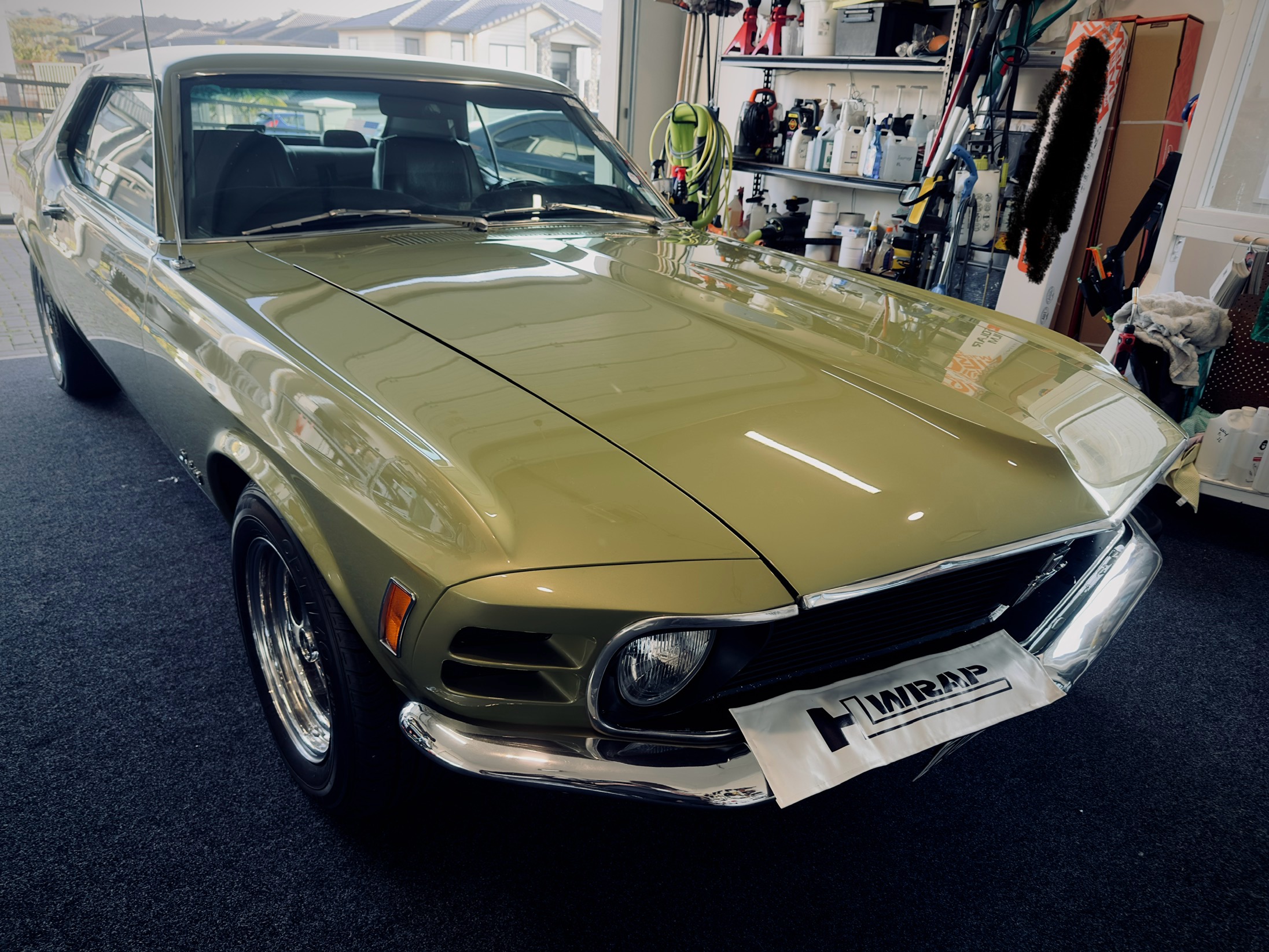
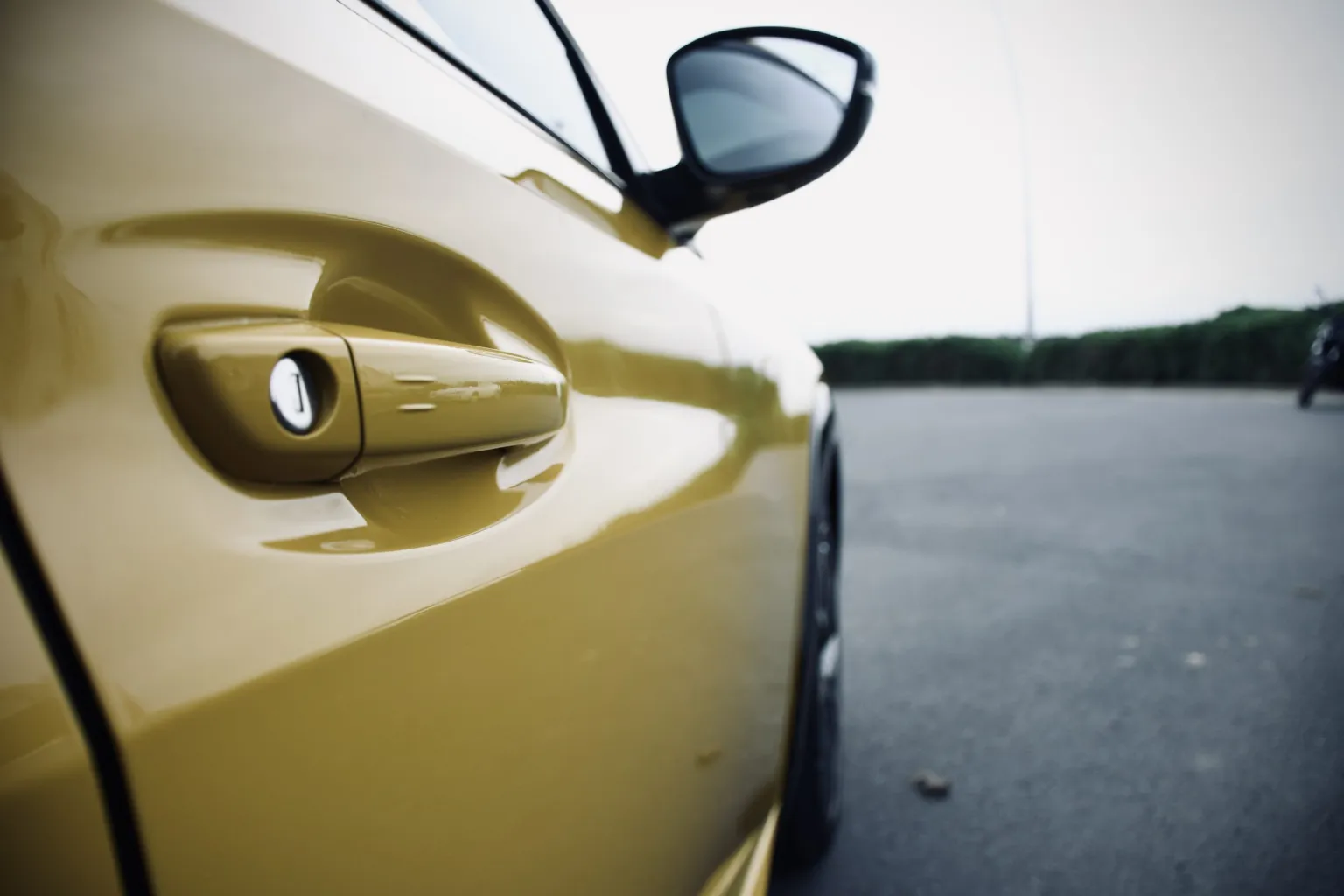
PPF acts as a sacrificial layer. New Zealand’s roading network is famous for road rash — that peppering of tiny stone chips that ruins the leading edge of your bonnet and front bumper. PPF is engineered to absorb these impacts, preventing the stone from ever reaching the paint.
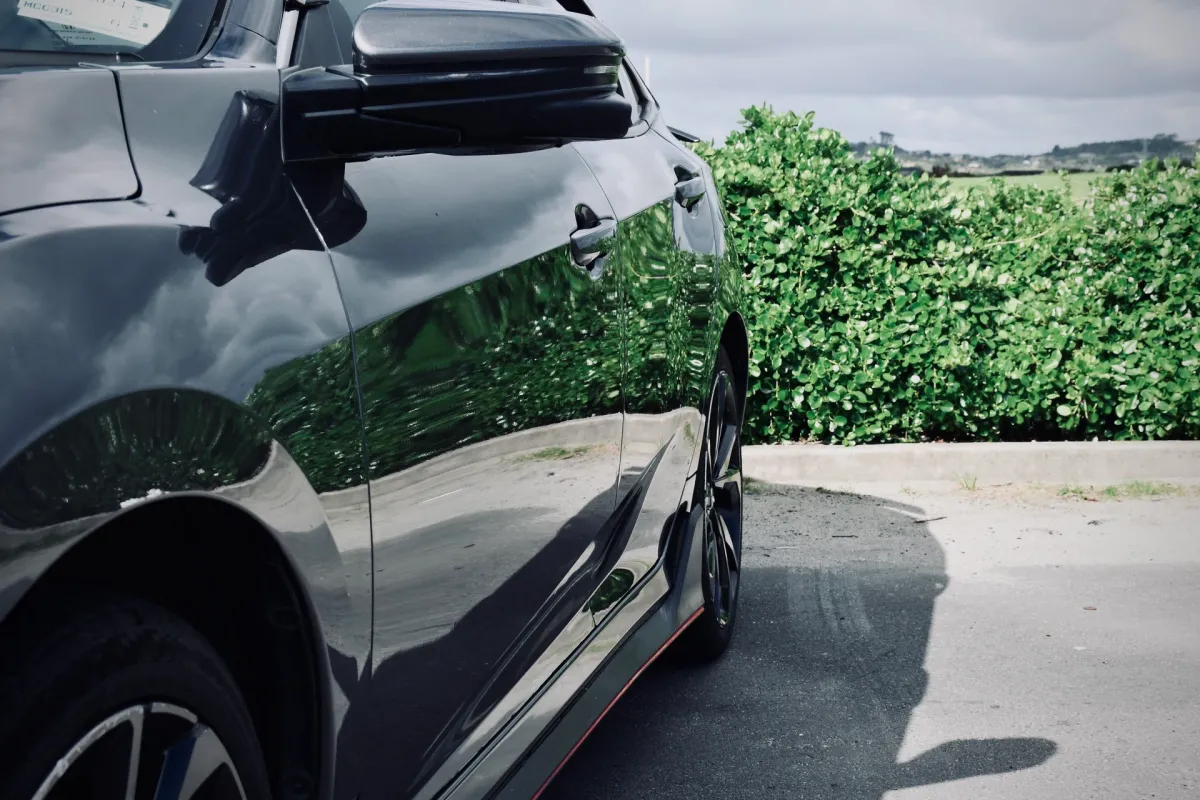
The standout feature of modern films is the self-healing top coat. At a microscopic level, the polymer is fluid. When the film is scratched or swirled, common during the washing process, the application of heat (even just a few hours in the NZ sun) causes the polymers to return to their original state. This means your car maintains that just-polished look for years, rather than months.
The Conflict: PPF vs. Ceramic Coating
A common question in the scene is whether a ceramic coating is enough. While coatings are excellent for adding depth and making the car easier to wash due to their hydrophobic properties, they offer virtually zero protection against physical impacts.
PPF and Ceramic Coatings serve two different masters. A coating is a chemical layer; PPF is a physical barrier. For a car that actually gets driven, the smart move is often a Track Pack or Front End PPF application, followed by a ceramic coating over the rest of the bodywork to ensure the whole car remains easy to maintain.
Beating the Heat: The Case for Ceramic Tint
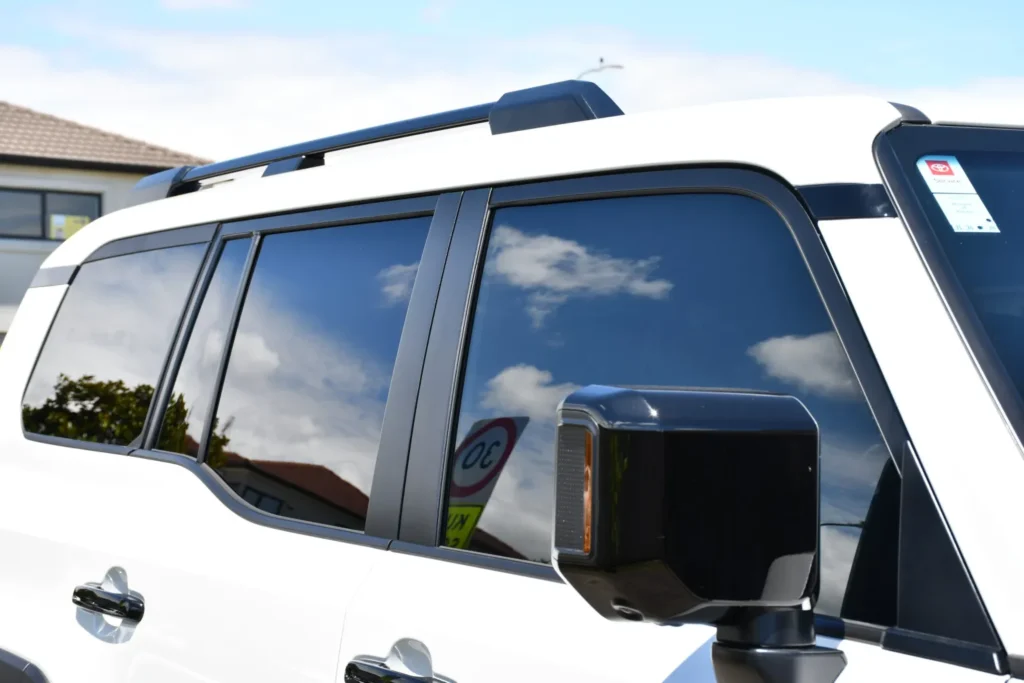
If PPF is the shield for your exterior, window tinting is the life support system for your interior. But if you’re still thinking about tint as just a way to look dark, you’re living in the past. Modern film technology, specifically Ceramic Window Tint, has changed the game. Traditional tints use either dyes (which inevitably fade to purple) or metallic particles (which can wreak havoc on your car’s electronics, GPS, and cell signal). Ceramic film, however, utilises non-conductive, nano-ceramic particles that are incredibly effective at heat rejection without the drawbacks.
There are several key reasons why this is a mandatory upgrade for any NZ vehicle:
1. Infrared Heat Rejection
This is the big one. Ceramic films can block up to 95% of infrared light. If you have a car with a black interior (common in JDMs and Euros) you know the cabin can become an oven. Should you tint your car windows? If you value your comfort and want to reduce the load on your AC system, the answer is a resounding yes. Ceramic tint keeps the interior temperature significantly lower, even on a 30-degree day in the Coromandel.
2. UV Protection & Interior Longevity
The NZ sun is famously harsh. UV rays don’t just cause skin damage; they are the primary cause of dashboard cracking and the fading of expensive aftermarket seats. High-quality ceramic tint blocks 99% of UV rays, acting as a permanent shield for your seats and trims.
3. Enhanced Privacy and Safety
Beyond the heat, the benefits of tinting include glass safety. In the event of a window smash, the film helps hold the glass shards together, protecting occupants. Furthermore, it adds a layer of privacy, keeping your expensive audio gear or interior mods away from prying eyes.
The Financial Case: Is it Worth It?
Let’s talk numbers. A high-quality respray for a front end can easily climb into the thousands, and you always run the risk of a mismatched finish on older factory colours.
Is PPF worth it? If you consider the resale value of a car with original, flawless paint versus one with a stone-pecked front end, the film pays for itself. In the collector car market — think R32 GT-Rs, clean Silvias, or late-model Porsches — original paint is a massive value-add.
The same applies to tinting. By preventing the dash from cracking and the upholstery from fading, you are preserving the car’s second-largest asset: the cabin.

The Verdict
At NZ Performance Car, we’re all for the built not bought mantra, but there’s no point in building something if you aren’t going to protect it. The technology in films has moved on significantly from the bubbling purple windows and chip-magnet paint of the 2000s.
If you’re serious about your car’s longevity, the combination of a front-end PPF wrap and a full set of ceramic tint is arguably the best insurance policy you can buy. It’s about more than just aesthetics; it’s about ensuring that your car looks as good in five years as it does today.
In a country where the environment is constantly working against your paintwork and interior, don’t wait for the first chip or the first crack to appear.

Quick Tech Check:
VLT (Visible Light Transmission): Always check the legal limits for NZ road rules (usually 35% for front side windows) before choosing your tint shade.
Curing Time: After getting PPF or tint, give it a few days to fully out-gas and settle before hitting it with a high-pressure hose or winding down the windows.
Edge Wrapping: A sign of a quality PPF install is tucked edges, where the film is wrapped around the panel edges for a truly invisible finish.
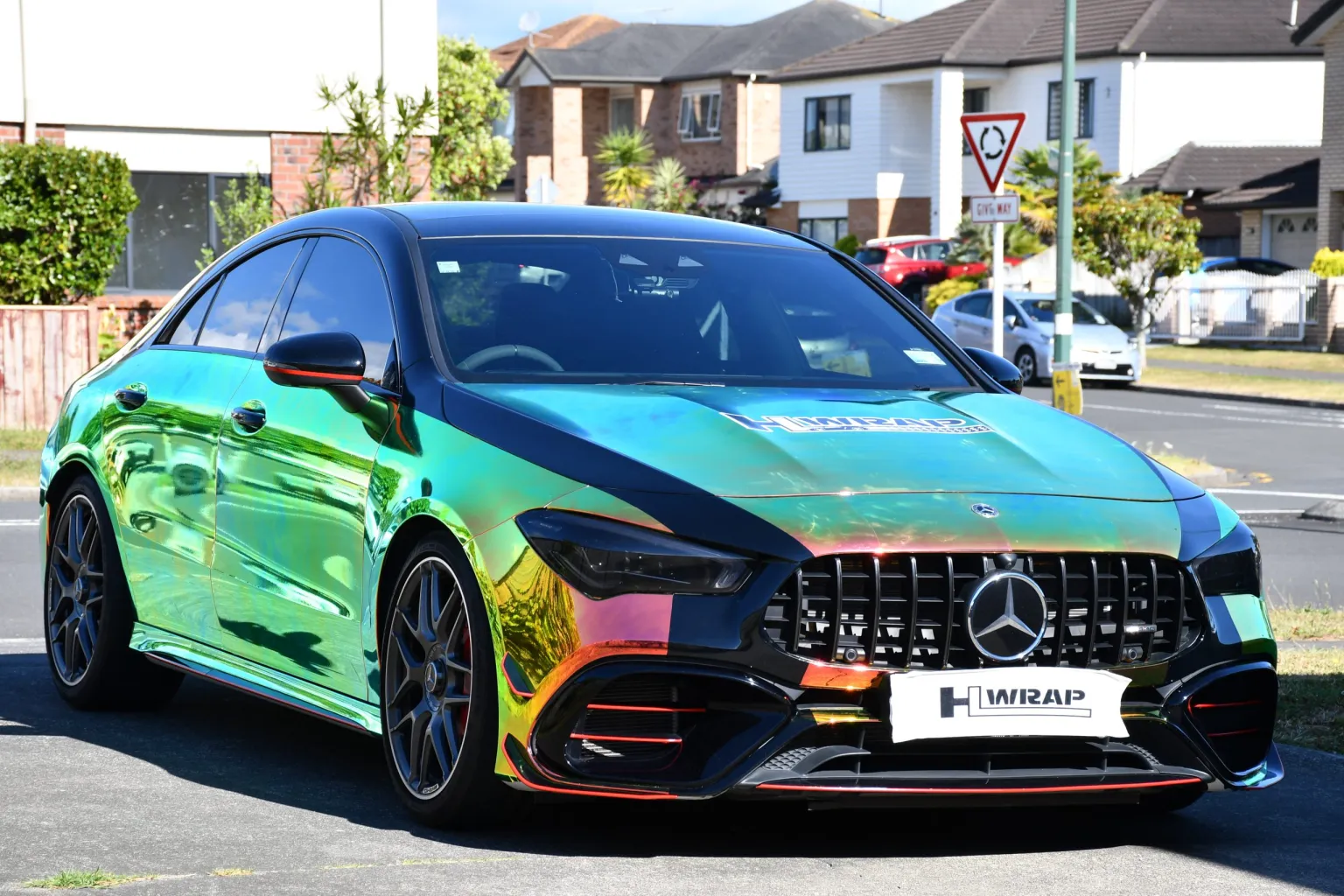
Thanks to the team at HLWrap for supplying the technical information for this article. If you’re looking ot get the job done right, they understand the specific needs of the NZ car scene and have the technical expertise to ensure a seamless application.
_________________________________________________________________________________________________
For a full breakdown of protection options or to book a consultation, visit hlwrap.co.nz.