




Words and Photos: Kerry Holland
NZPC: Hey Kerry. For those unfamiliar with Kerry Holland Autotech, how did you get started in motorsport fabrication, and what made you take the leap to run a high-end solo shop?
Over the years, I have had jobs building sports cars (Fraser Cars), race engines (HiTech Motorsport), rally cars (Cook Motor Racing), V8 touring cars (Paul Manuell Racing, M3 Racing), land speed record cars (C7 Corvette at Bonneville), drag cars, and everything in between. I decided to become self-employed and called myself Top Gear Autotech when I felt the need to decide for myself the type of cars and work I wanted to do. I employed my first fabricator after about a year and became known for race car fabrication, especially roll cages, exhausts, intercooler installs, etc. One of the highlights of that period was building a full tube-chassis, rear-wheel-drive Mitsubishi Evo 9 drag car for a customer that is still the fastest four-cylinder car in NZ (I think?) with a 7.43 at 178mph. I had multiple staff and many customers but found that I was becoming unhappy with the high volume, acceptable quality of the work and wanted to move toward building lower-volume, exceptional-quality cars for fewer customers. When my lease was up, I moved out of my premises into my garage at home. At first I did a lot of mobile, on-site work for a bunch of race teams, but then got the job building the Alfa and the Corvette land speed racing car and have worked from home permanently since then. A three-car garage with two cars in it out in the country. Perfect. I also work as a performance and data engineer for various race teams.
Restomods are tough to get right, especially with classic Italian steel. What was the customer’s original brief for this wide-body Alfa Romeo GTAm replica, and what were the most technical fabrication jobs required to transform the shell?
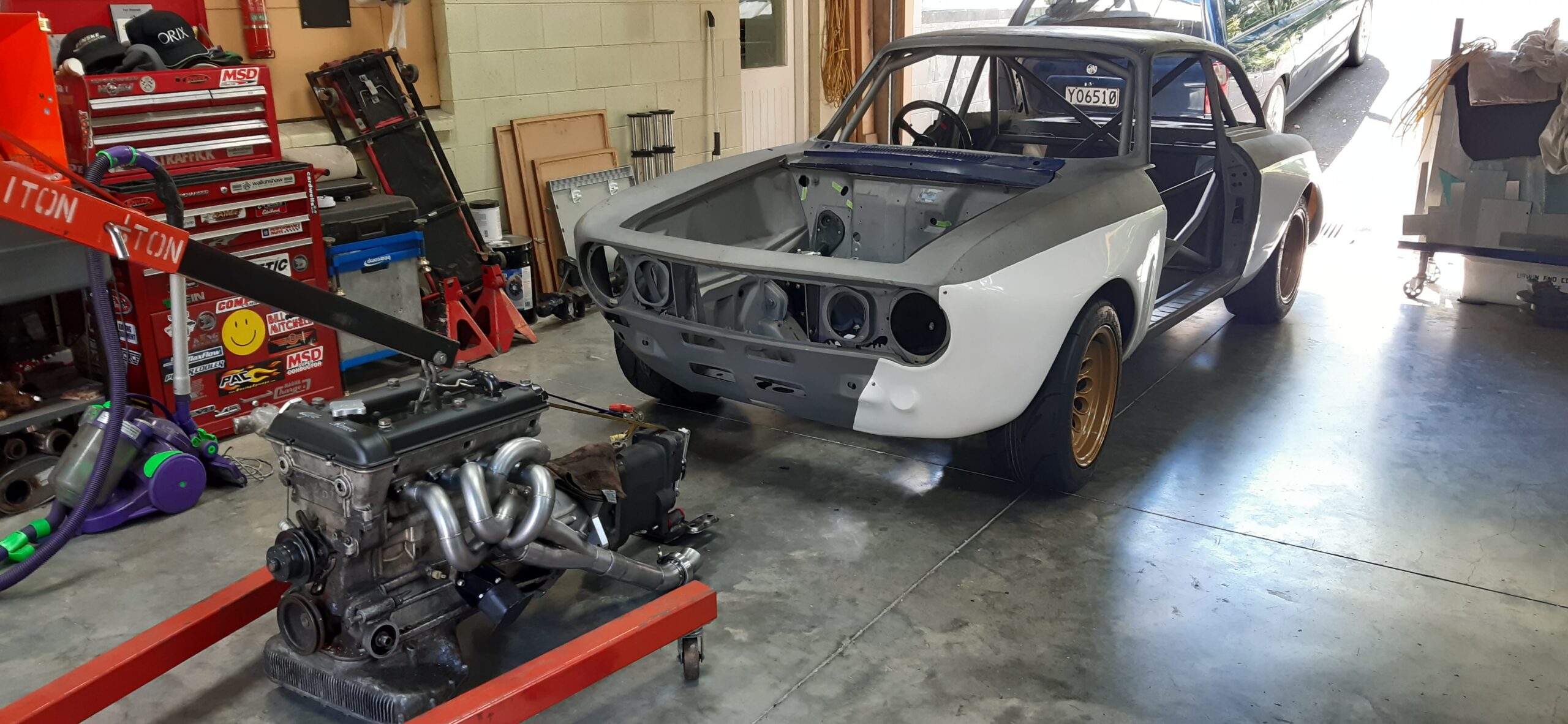
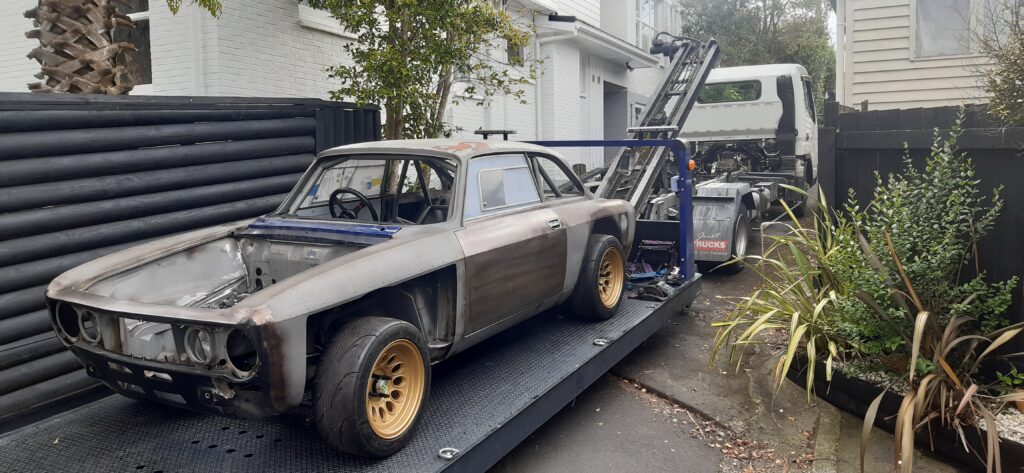
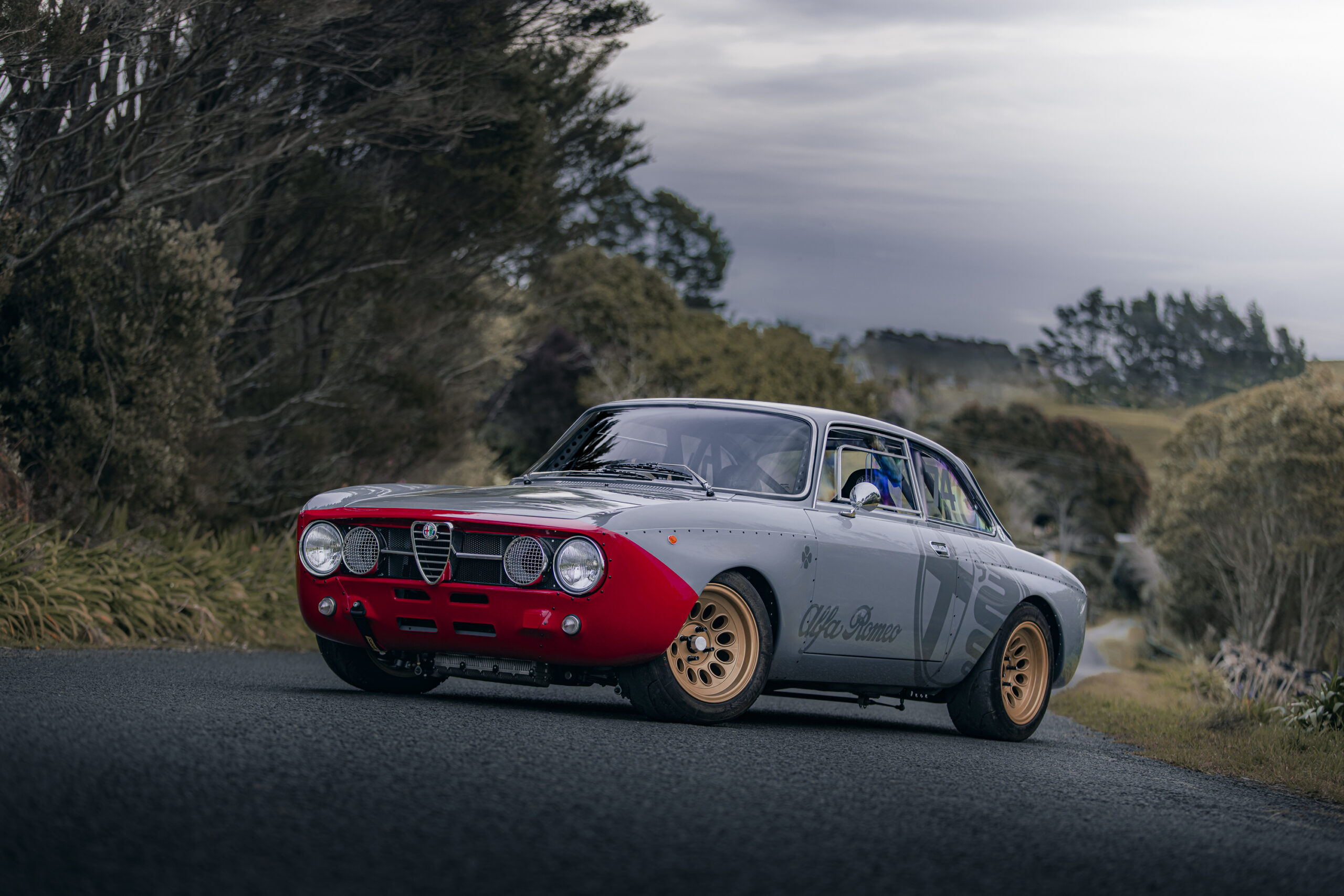
The build brief changed a lot as the car progressed, but one thing that always remained was for it to look, sound, and drive as close to the original factory racing 1750 GTAms as possible. Underneath the skin, it is still based on the factory engine, suspension, and floor. We just wanted to make it all as user-friendly, reliable, and as fast as possible by using modern technology, but without losing the ‘feel’ of the original car. This era of Alfa Romeo is known as one of the best driving cars from that time, so we felt no need to ‘improve’ on the driving experience. I think we’ve hit the balance between old and new perfectly.
The Alfa also isn’t road-legal, and I’m praying that the owner never wants it to be so! It is a dedicated track day car and may be raced one day when we can emotionally accept stone chips in the paint.
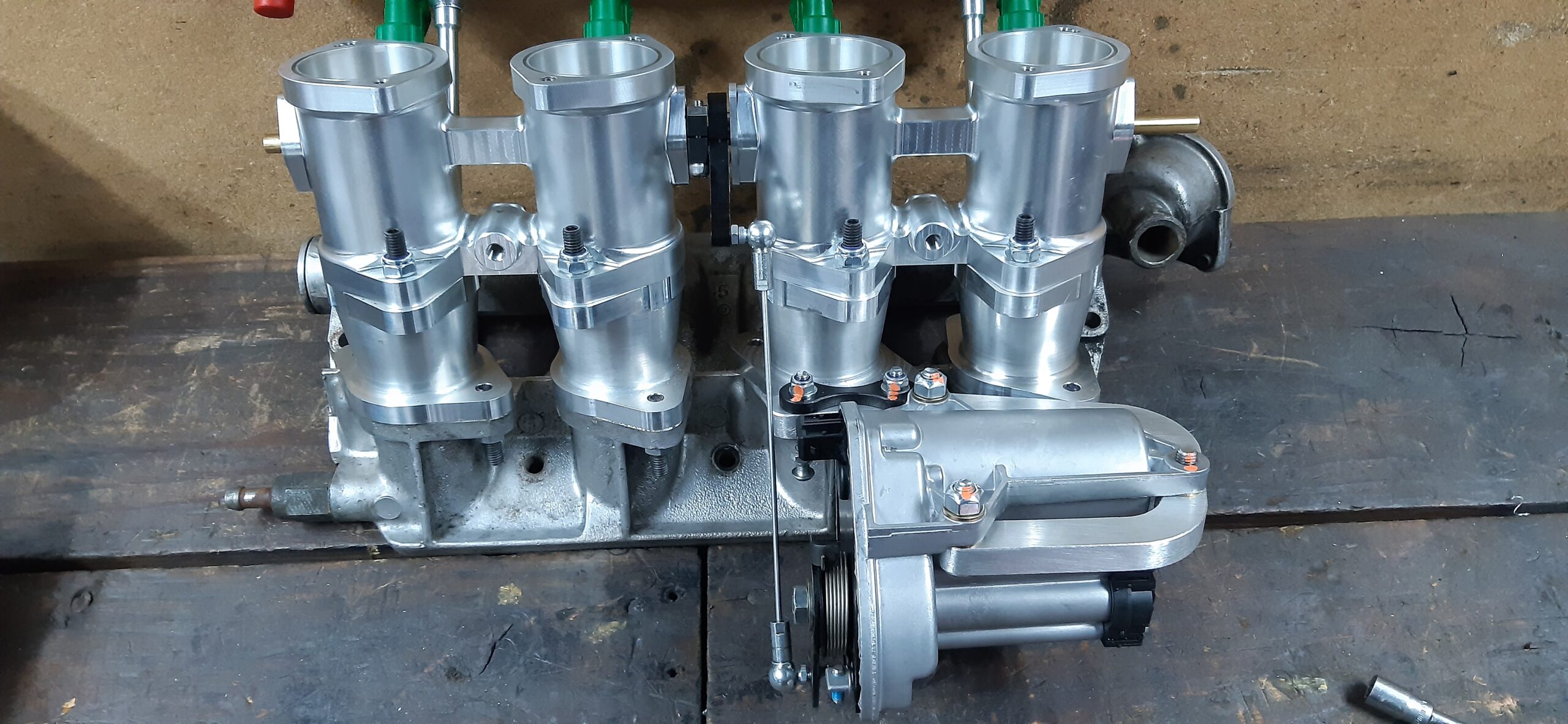
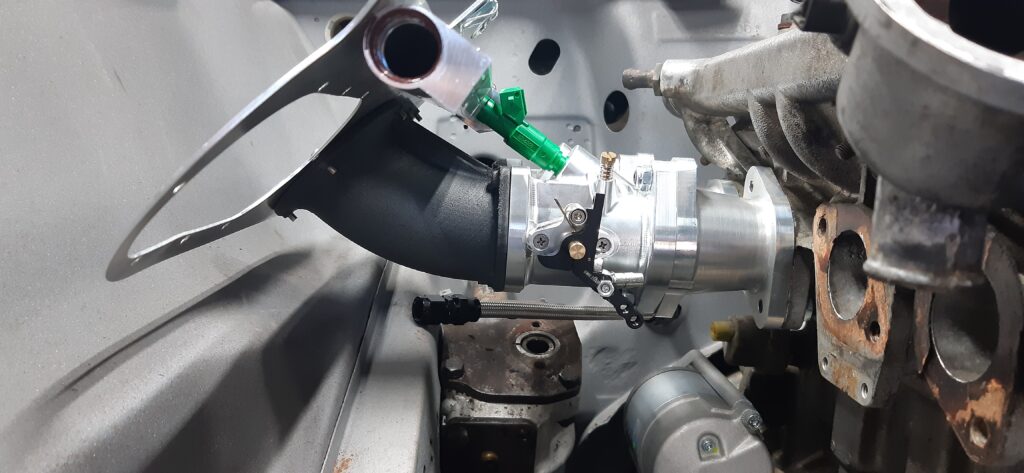
Talk us through the engine package under the hood. What went into engineering and fabricating that individual throttle body (ITB) intake setup, and how does it perform out on the track?
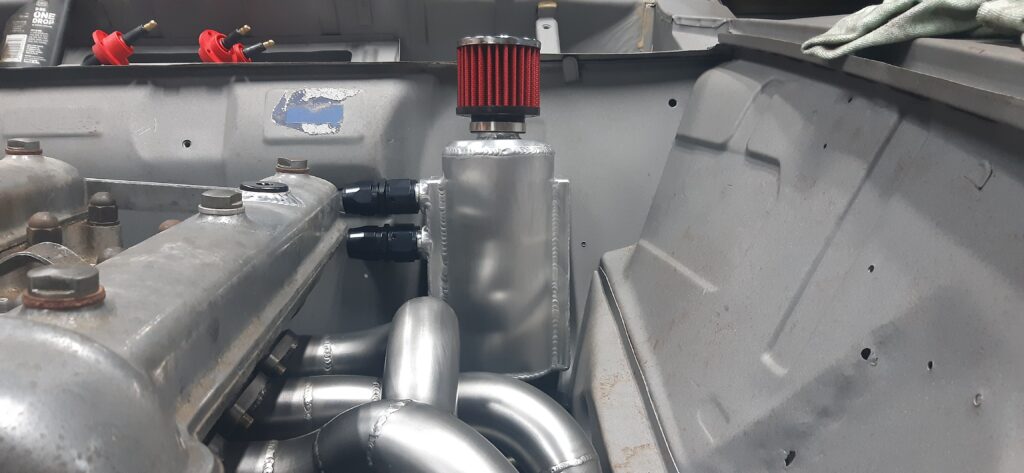
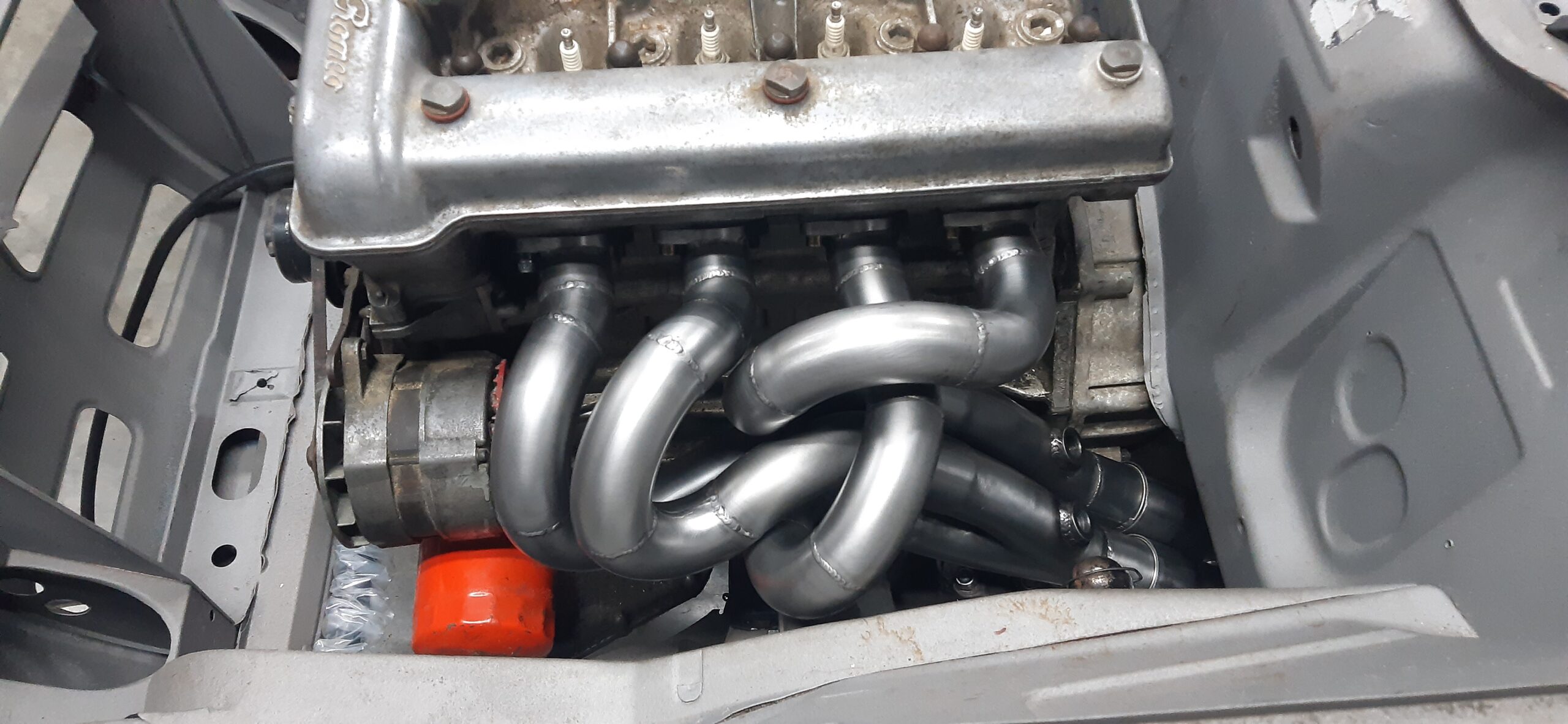
The engine is based on the factory Nord (North in Italian) 2L eight-valve engine. It’s known as being a brilliant engine in stock form and, with a few mods, goes well. The stock engine runs side-draught Dell’Ortos so all I did was buy individual throttle bodies that replicated those carbs, and they bolted on. The drive-by-wire throttles are actuated by a BMW unit, a popular conversion component. The 3D-printed intake trumpets were necessary to get the required length to fit within the confines of the inner strut tower and bonnet. I was in the early stages of learning CAD at the time; therefore, they took many hours to get right, but I got there in the end. They are carbon-reinforced nylon to handle the heat and vibrations. They work well on the dyno but, most importantly, sound epic! The headers and exhaust are built to the engine builder’s specs. They are equal-length 4-2-1 units that are TIG-welded stainless steel, as is the entire exhaust system. I designed and fabricated the catch can to take care of any oil/air breathing out of the rocker covers and fabricated the coolant system header tank to sit nicely in the corner of the engine bay. Temperatures and pressures of the fuel, oil, and coolant are all logged via the MoTeC dash. I have mounted the individual coils inside the car underneath the dash. The lubrication system plumbing takes a bit of explaining. Oil leaves the oil pump and heads straight to the remote-mounted oil filter. It then heads to the oil/water heat exchanger and from there to the external oil pressure regulator. Oil that has been dumped by the regulator is returned to the crankcase via a fitting into the front of the cylinder head, and the rest of the oil is fed into the engine via a new oil feed fitting into the side of the block, directly into the main oil gallery.
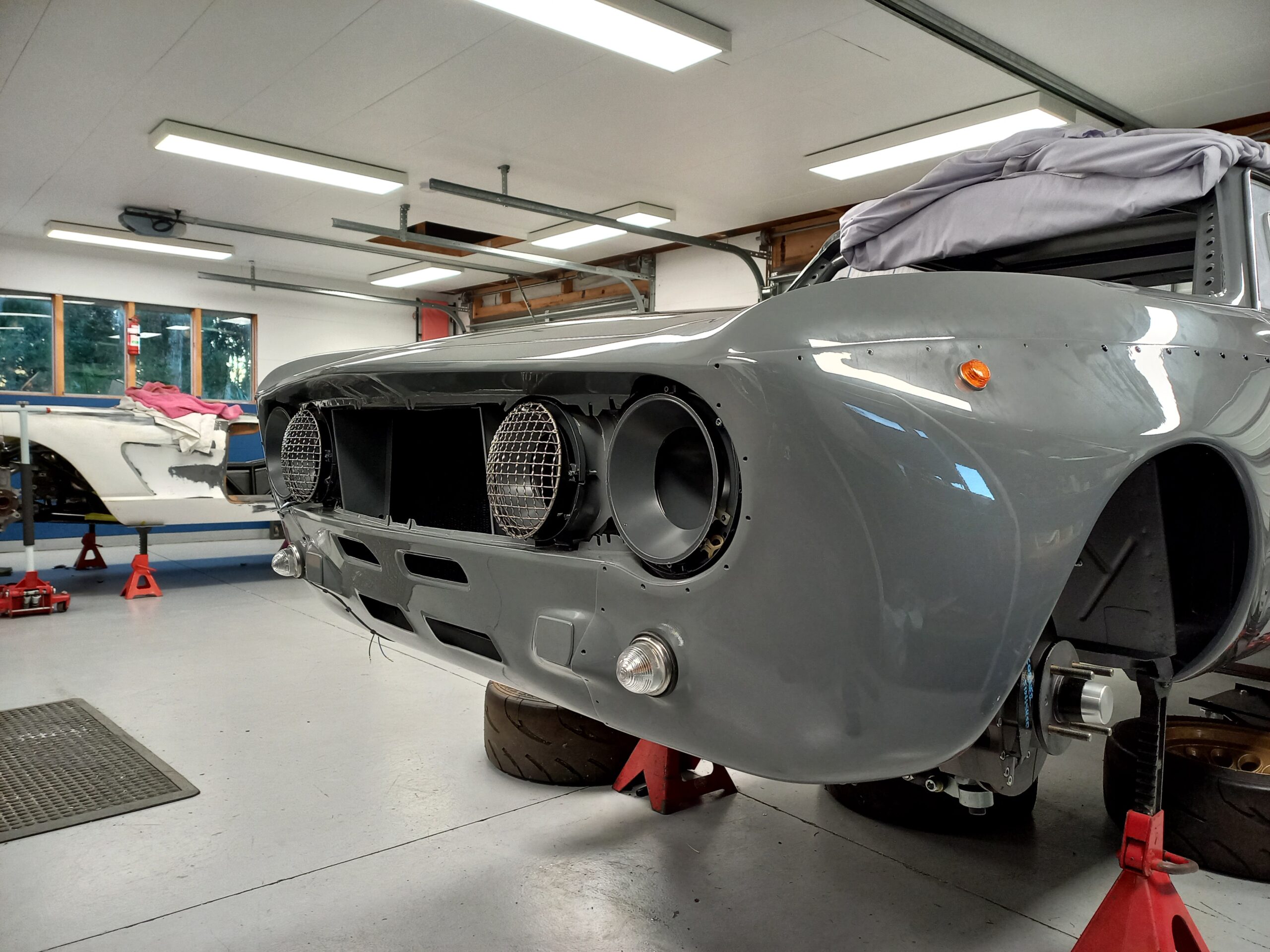
Pushing a classic chassis out to fit modern tyre widths throws off factory suspension geometry. How did you approach the steering, suspension layout, and chassis reinforcement under those wide-body guards to make sure the chassis actually matches the new track width?
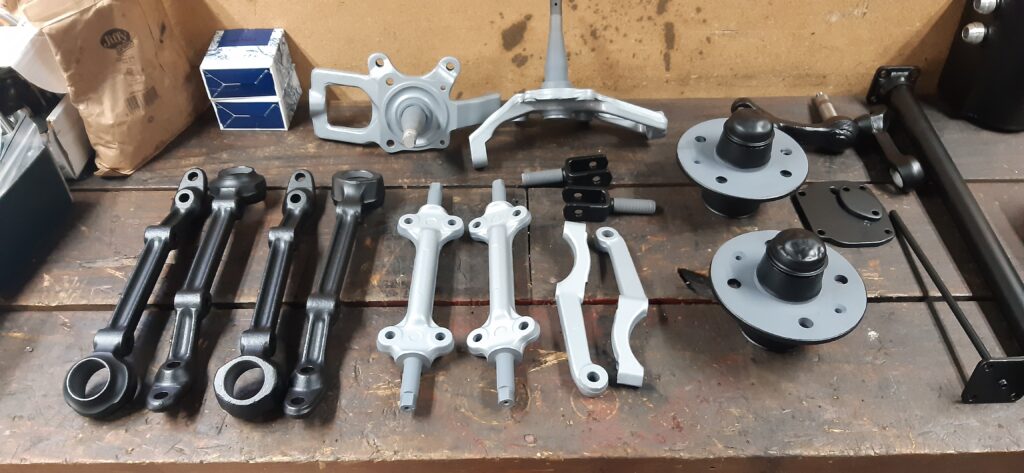
The stock suspension consists of a double-wishbone front end and a three-link rear end, a good base design that responds well to modifications. The factory GTAm race cars were very successful without too many suspension mods apart from the wider wheels/tyres and guards to clear them. Alfaholics in the UK have raced these cars for years too and have developed the suspension and brakes to a very high level. I could have made all of it myself, but when parts are available off the shelf with a tick of a box on their website, it will always be a better way to go. I had enough to do already, so whenever well-developed and proven parts could easily be bought, I did just that. The only suspension geometry change is where the front lower wishbone attaches to the front upright. It is lowered and moved forward to improve castor, camber, track width, and roll centre height.
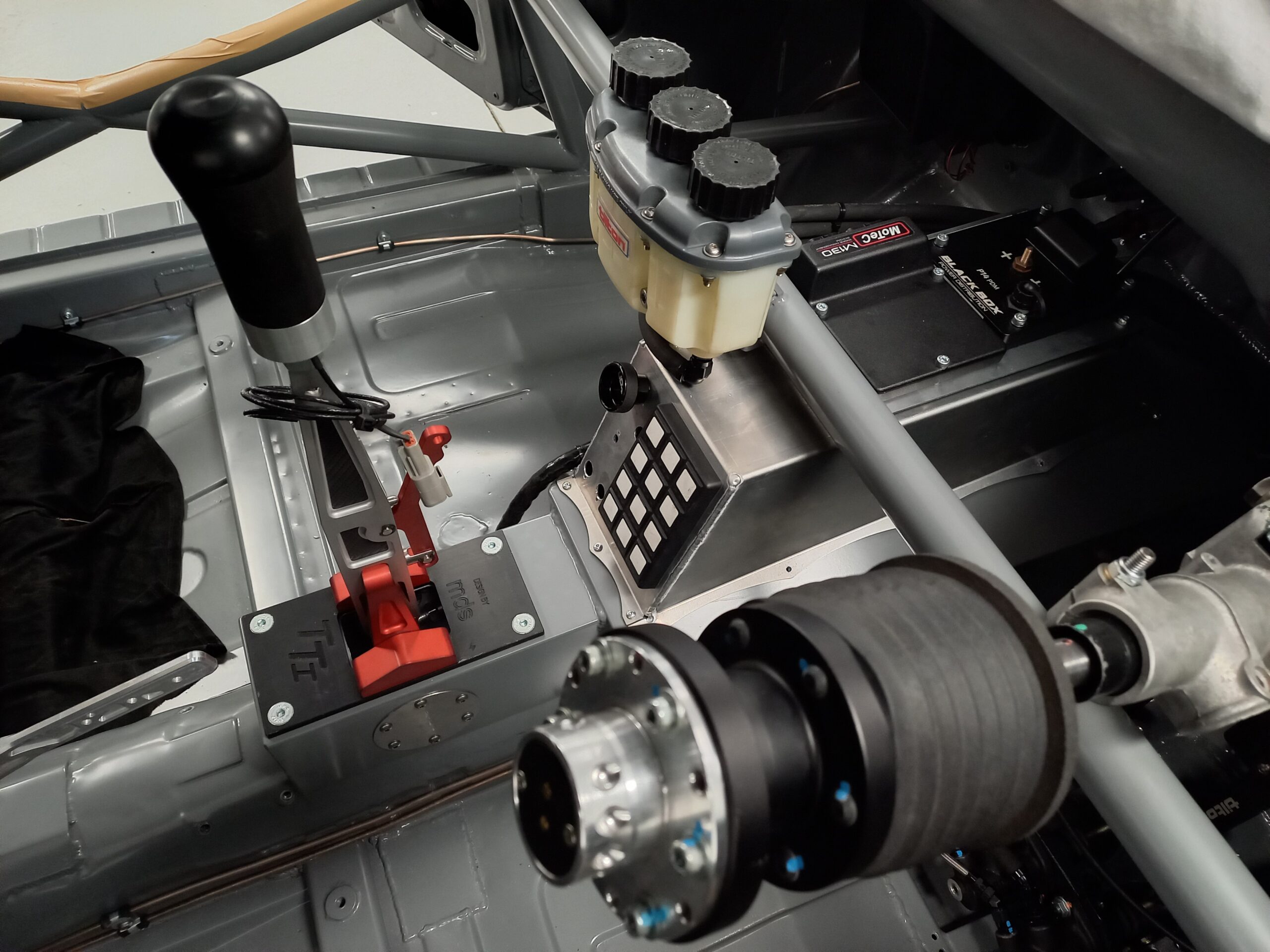
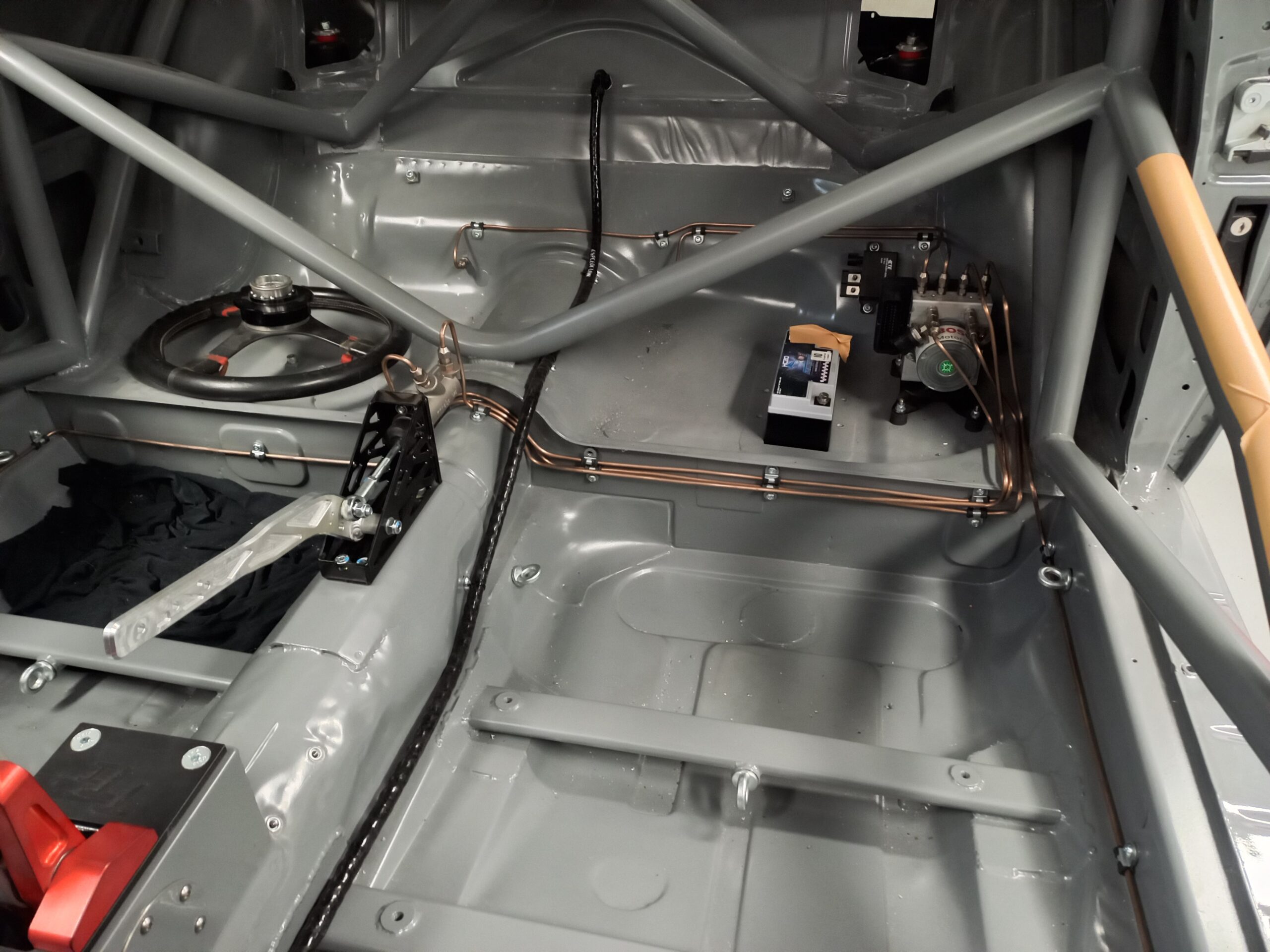
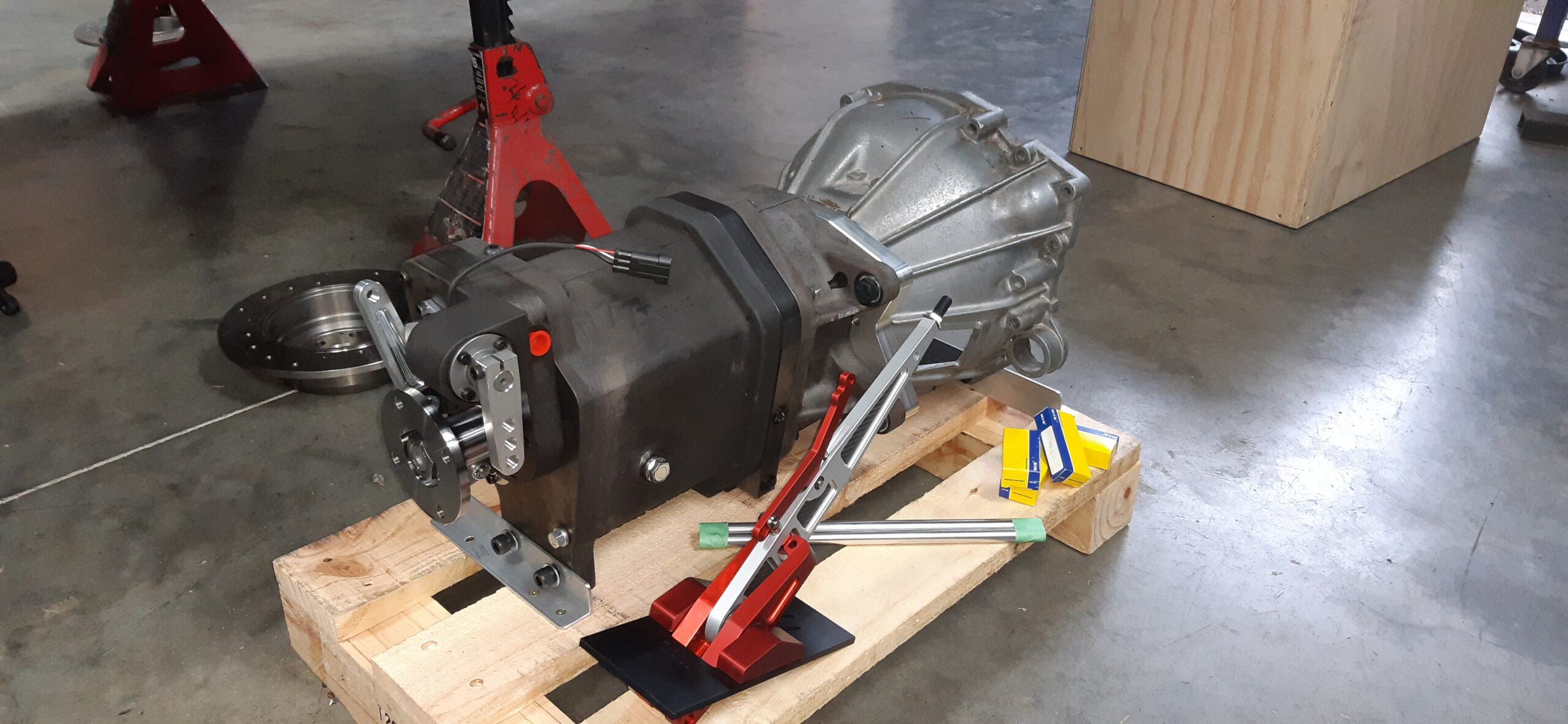
Running a one-man shop means you handle design, machining, and welding yourself. What is your absolute favourite custom detail on this Alfa that most people might miss at first glance?
I love being in control of every aspect of a build. It’s the very small silly little details on the Alfa that make me the happiest. The MoTeC dash integrated into the stock dash. The rocker cover matching the colour of the nose of the car. The stock embroidered carpets that I modified to fit around the floor-mounted pedal box. The relationship I have with the owner and how we both had very similar ideas for the direction of the build. The underneath of the car. It’s finished to a very high level of detail. The headers curling around each other to achieve the lengths I required. The factory servicing, running-in, and tyre stickers on the car.
Now that the GTAm replica is handed back to a very happy owner, what’s currently sitting on the fabrication hoist, and where can people reach out to book in custom work?
During the process of building the Alfa, I also built a 2000hp, 300mph C7 Corvette for a customer that we took to Bonneville Speed Week. I’m currently in the middle of building a GT3-replica Aston Martin DB9 that is having the bodywork done at the moment. I’m also heavily modifying a TVR Chimaera chassis to accept a dry-sumped and supercharged LSA V8 and ZF 8HP trans with inboard dampers, ABS, electric power steering, etc. In between these jobs, I’ve been fabricating a lot of headers and exhaust systems for race and road cars, rotaries in particular. This Alfa has definitely opened my eyes to the advantages of building, owning, and driving a restomod version of any old car, and I want to continue to focus my work in that direction. New cars have lost so much of the connection between the driver and the car, but if you buy an old car with some romantic notion that it’ll be just as awesome as it was back in the day, you’ll be bitterly disappointed. Restomodding an old car is a perfect combination of old and new. Choose your favourite old car from your youth and make it start first pop, go like hell, stop on a dime, and not leak rain, wind, or oil. What could be better!
Got a high-end restomod or custom race fabrication project in mind? You can follow Kerry’s latest builds or reach out for workshop bookings via the channels below:
Facebook: KerryHollandAutotech
Instagram: @kerryhollandautotech
YouTube: KerryHollandAutotech